

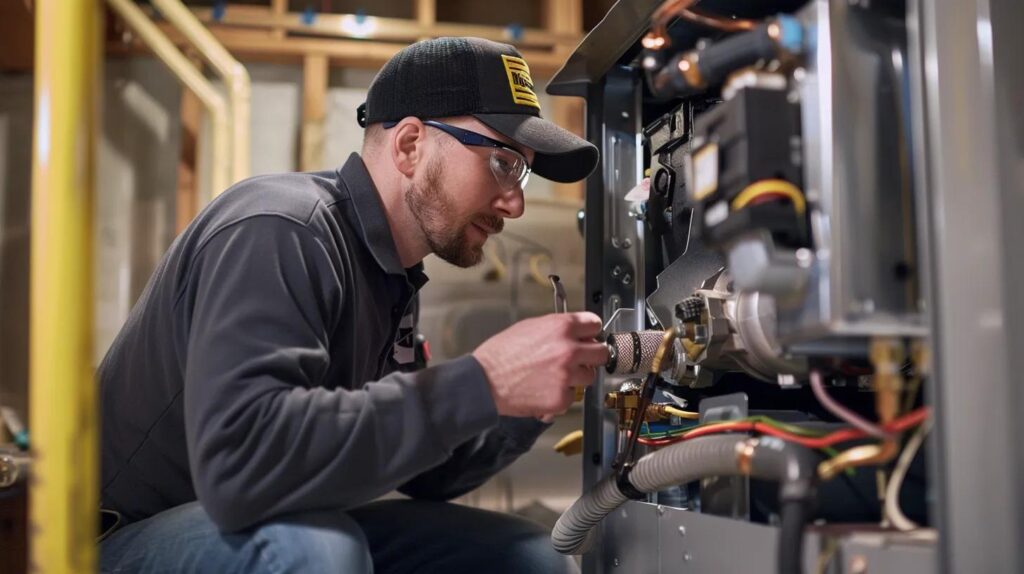
Expert Furnace Repair in Pasadena, MD by Corcoran Heating
A working furnace keeps your home comfortable through every season. Our furnace repair work focuses on restoring safe, efficient heat quickly and clearly—so you and your family stay warm without guesswork. This guide walks through common furnace faults, simple troubleshooting you can try safely at home, and the professional diagnostic steps our technicians use to find the root cause. You’ll see how gas and electric systems differ, what affects repair costs in Pasadena, MD, and how regular maintenance reduces emergencies and long-term expenses. Follow the troubleshooting tips, maintenance steps, and scheduling advice below so you can act confidently when your heating system falters.
Common Furnace Problems and How to Troubleshoot Them
Most furnace issues fall into four areas: combustion, airflow, ignition, or controls. A basic diagnosis starts with power and thermostat checks, a filter inspection, and looking for visible signs like flame color or unusual sounds. Early troubleshooting often reveals simple fixes—changing a clogged filter or resetting a tripped breaker—while also showing when a professional visit is needed. Use the compact diagnostic matrix below to triage problems before calling for service.
This quick matrix helps you prioritize checks and decide whether a simple fix will do or if it’s time to schedule a technician.
| Problem | Common Causes | DIY Checks / When to Call a Pro |
|---|---|---|
| No heat | Thermostat, power, ignition, pilot/ignitor | Confirm thermostat settings, check breakers and the filter; contact Corcoran if ignition or gas problems continue |
| Short cycling | Overheating, clogged filter, faulty limit switch | Replace the filter and watch cycling; schedule service if the furnace keeps stopping |
| Strange noises | Delayed ignition, blower issues, loose panels | Inspect filters and access panels; call for service if you hear bangs or grinding metal |
| Pilot light or ignition issues | Dirty pilot, faulty ignitor, gas supply | Note any error codes and flame color; stop use and call a technician for gas-related faults |
This matrix flags safety-critical issues—especially anything involving gas or combustion—that require professional attention. Narrowing down likely causes ahead of a service call also helps technicians arrive prepared.
Why Isn’t My Furnace Heating? First Things to Check
When a furnace won’t heat, the cause often lies in controls, fuel, or restricted airflow. Start with safe, simple checks: make sure the thermostat is set to “heat” and the temperature is above room level, verify the furnace switch and breaker are on, and inspect the air filter for heavy buildup. For gas units, look through the viewing port: a steady blue flame shows proper combustion, while yellow or orange flames can indicate a combustion issue that needs a pro. If the pilot or electronic ignitor isn’t working, or if you smell gas, stop all DIY attempts and contact a trained technician right away.
These initial checks help you determine whether it’s a control, fuel, or airflow issue and give technicians useful information for their follow-up diagnostics.
How Noises and Pilot Light Problems Affect Performance
Unusual noises and pilot light issues usually point to mechanical or combustion problems that lower efficiency and can create safety risks. A loud bang at startup often means delayed ignition and a pressure spike; squealing suggests a worn blower bearing or belt; rattling can be loose ductwork or panels. A weak or yellow pilot flame signals incomplete combustion, which reduces heat output and raises carbon monoxide risk—any abnormal flame color or persistent pilot outage should prompt immediate professional evaluation. Fixing these symptoms quickly restores performance, prevents further damage, and keeps combustion safe.
Knowing which sounds and flame behaviors are urgent helps you decide whether a quick maintenance step will do or if expedited service is necessary.
How Corcoran Heating & Air Delivers Expert Furnace Repair
Expert furnace repair blends systematic diagnostics, clear communication, and safe work practices to get your heat back reliably with no surprises. Our approach: verify safety first, diagnose controls and combustion, explain findings and costs up front, complete approved repairs, then test the system until it’s working correctly. That method helps avoid repeat visits by addressing root causes and documenting the work for you. At Corcoran Heating & Air, we prioritize quick response, honest pricing, and respectful service—our business grows on referrals for a reason.
Here’s the technician workflow you can expect when we arrive.
- Initial safety check: Confirm power, gas shutoffs, and safety interlocks are functioning.
- Full diagnostic: Inspect combustion, airflow, controls, and electrical systems to find the fault.
- Transparent estimate: We explain the issue and present an upfront price before any work begins.
- Repair & testing: Replace parts, adjust controls, and run safety and performance tests.
That structured process reduces guesswork and keeps repairs efficient—especially when you need urgent or same-day service.
Step-by-Step: What to Expect During a Repair
A professional repair starts with a safety-first arrival and visual inspection, then targeted diagnostics to isolate the failing component. Technicians will check thermostat communication, control board signals, ignition or pilot assemblies, blower operation, and combustion quality on gas systems. After identifying the issue, we review options with you, provide an upfront estimate, perform authorized repairs using the correct parts, and finish with thorough testing—verifying temperature rise, airflow, and safe combustion—followed by a tidy cleanup.
This stepwise approach minimizes surprises and gives you a clear record of the cause, the work performed, and recommended next steps.
Why Choose Corcoran for Emergency and Same-Day Furnace Repair?
When heat fails during cold weather, speed and clear communication matter as much as technical skill. Corcoran offers fast same-day and emergency response backed by experienced technicians familiar with local homes and heating systems. Our referral-based reputation and commitment to upfront pricing give homeowners confidence that there won’t be hidden costs. Prioritizing emergency availability, clear estimates, and polite onsite communication reduces stress and gets your home warm again quickly.
If you’re facing an urgent loss of heat or suspect a gas issue, request a prioritized visit to reduce exposure to cold and potential hazards—our technicians will get to you as soon as possible.
Gas vs. Electric Furnaces: What We Repair and How They Differ
Gas and electric furnaces both warm your home, but they use different parts and require different diagnostic approaches. Gas units use burners, gas valves, pilot or electronic ignitors, and heat exchangers; electric units use heating elements, contactors, and electrical controls. Knowing which system you have helps interpret symptoms and understand safety steps. The table below compares common issues and typical service tasks for each type.
This comparison highlights the likely faults and the technician focus for each system type.
| System Type | Typical Issues | Common Repair Tasks |
|---|---|---|
| Gas Furnace | Ignitor/pilot failure, gas valve problems, cracked heat exchanger | Ignitor replacement, gas valve service, heat exchanger inspection and testing |
| Electric Furnace | Burnt heating elements, failed contactors, blower problems | Element or contactor replacement, blower motor service, electrical checks |
| Shared Components | Thermostat errors, airflow restrictions, control board faults | Control diagnostics, filter replacement, control board testing |
Accurately identifying your system type matters: gas systems need combustion and venting safety checks, while electric systems focus on electrical diagnostics and element integrity. That distinction shapes both diagnostic steps and safety protocols.
Specific Repair Needs for Gas Furnaces
Gas furnaces demand attention to combustion safety, ignition systems, and the heat exchanger—areas where failures can pose health risks. Warning signs include repeated ignition failures, yellow or sooty flames, unusual odors, or visible corrosion and leaks. These symptoms require immediate professional assessment. Repairs often include cleaning or replacing ignitors, servicing gas valves, and inspecting or replacing heat exchangers when necessary. Because combustion faults can produce carbon monoxide, stop using the system and schedule service right away if you suspect a problem.
Our technicians follow strict safety checks and post-repair testing to confirm airtight heat exchangers and proper flue operation.
How Electric Furnace Repair Differs and What to Expect
Electric furnace repairs focus on electrical parts—heating elements, contactors, relays, and blower motors—where wear or faults reduce heat output. Typical signs include no heat with the blower running, tripped breakers, or visibly burnt elements. Technicians isolate the failed element, inspect wiring, and test relays and fuses. Repairs commonly involve replacing elements or contactors and ensuring correct electrical connections and breaker sizing. For electric systems, parts are often easier to source and repairs typically emphasize electrical safety checks.
Knowing whether your unit is electric or gas helps you prepare for the visit and gives realistic expectations for repair time and parts needed.
How Much Does Furnace Repair Cost in Pasadena, MD?
Repair costs depend on complexity, parts, labor, system age, and urgency—plus local factors in Pasadena, MD, like travel time and same-day availability. Cost drivers include whether the fix needs parts such as ignitors or a heat exchanger, whether you request emergency service, and whether diagnostic fees apply. Below are the main factors that typically influence estimates and the repair-versus-replace decision.
- Parts required: Small parts cost much less than major assemblies like a heat exchanger.
- Labor and diagnostics: Time to locate and fix the issue affects the final bill.
- System age and parts availability: Older equipment can require harder-to-find parts.
- Emergency service: After-hours or same-day calls often carry premium fees.
Getting an upfront estimate clarifies what’s driving the price and helps you compare options without surprises. Transparent pricing lets you plan and decide whether repair or replacement makes the most sense.
Factors That Influence Furnace Repair Pricing
Several factors combine to set the final repair cost. Parts vary widely in price: replacing a basic ignitor costs far less than fixing or replacing a heat exchanger or blower assembly. Labor depends on accessibility and diagnostic difficulty; older systems can add time for disassembly or retrofitting parts. Emergency response and same-day scheduling also raise costs because of prioritization. Knowing these elements helps you weigh repair against replacement and ask the right questions when reviewing estimates.
Compare itemized estimates—parts, labor, warranty, and urgency—so you choose value, not just the lowest price.
How Upfront Pricing and Itemized Estimates Help You Plan
Upfront pricing gives you control by listing expected expenses, the work scope, and any warranty coverage before you authorize repairs. A clear estimate shows labor, parts, diagnostic fees, and any emergency surcharges so you can compare providers and budget accordingly. Ask about parts warranties and expected remaining life to avoid surprise follow-up costs and to decide whether repair or replacement is the smarter choice. When professionals present a detailed quote, homeowners can make faster, better-informed decisions.
Transparent estimates reduce uncertainty and align repairs with long-term comfort and safety goals.
Why Preventative Furnace Maintenance Matters and How It Helps
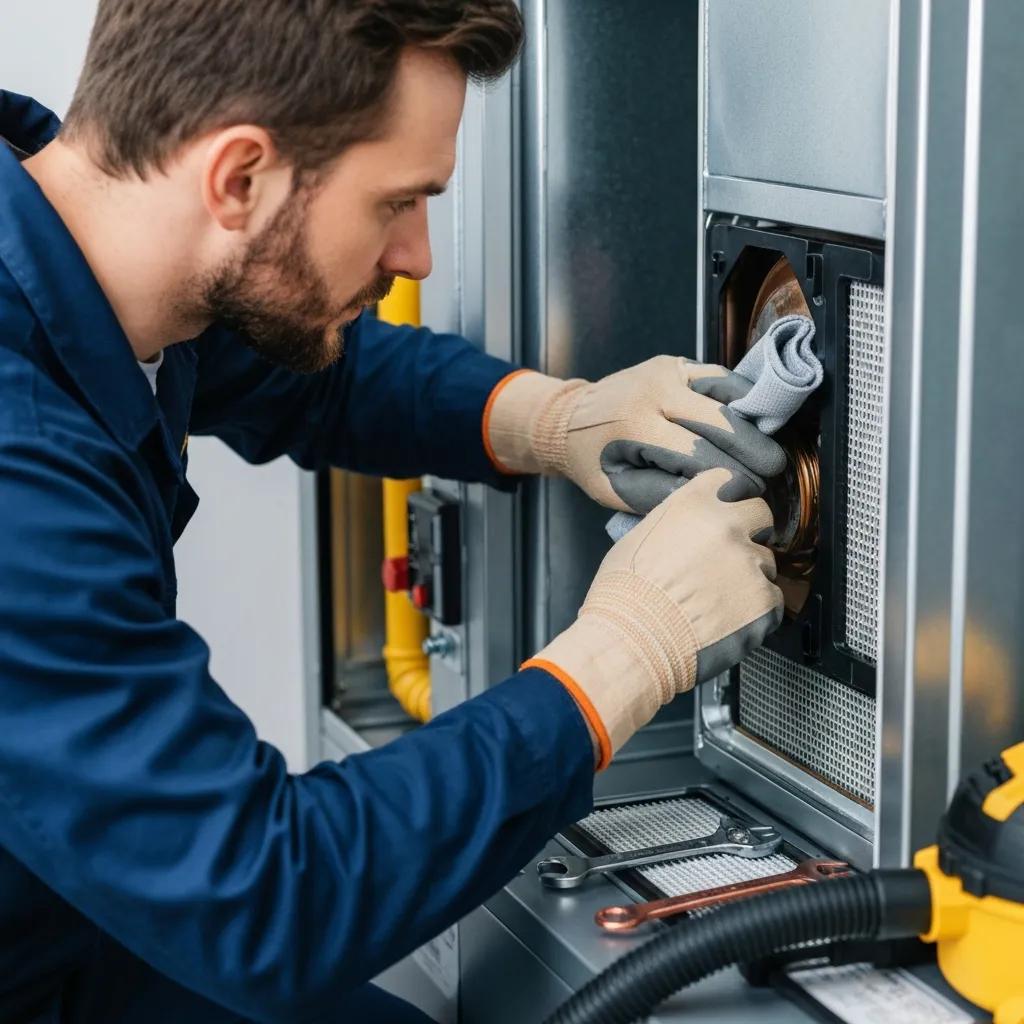
Preventative maintenance keeps systems running efficiently, cuts emergency breakdowns, and extends equipment life by catching small issues before they become big problems. Regular service ensures proper airflow, clean combustion, and dependable controls—improving efficiency and comfort. The table below shows common tune-up tasks, how often to do them, and the benefits you can expect.
| Maintenance Task | Frequency | Benefit / Outcome |
|---|---|---|
| Filter replacement | Every 1–3 months | Better airflow, improved efficiency, cleaner indoor air |
| Burner/combustion inspection | Annually | Safer combustion and more consistent heat |
| Blower cleaning & lubrication | Annually | Less motor strain and quieter operation |
| Thermostat calibration | Annually | More accurate temperature control and comfort |
Regular tune-ups cut the chance of expensive failures and keep your system reliable across heating seasons. Scheduling routine service is a practical investment that lowers long-term repair frequency and improves safety.
What an Annual Furnace Tune-Up Includes
An annual tune-up is a systematic check that restores efficiency and safety through targeted tasks. Technicians typically inspect or replace filters, clean burners and combustion areas, test ignition and safety controls, examine the heat exchanger for cracks or corrosion, and verify blower performance and airflow. We’ll calibrate thermostats, tighten and inspect electrical connections, and run the system through cycles to confirm correct temperature rise and dependable operation. You’ll receive a documented condition report to help plan future repairs or replacement.
That report creates a baseline for system health and makes it easier to spot changes between visits.
How Regular Maintenance Prevents Costly Repairs
Routine maintenance finds small problems—clogged filters, weakened ignitors, loose electrical connections—before they cause major failures. For example, changing a dirty filter prevents airflow restriction that can overheat the heat exchanger or burn out the blower motor; cleaning burners and checking combustion reduces soot buildup and stress on components. Regular care spreads service costs predictably instead of forcing sudden, expensive replacements. Over time, consistent maintenance improves lifespan, maintains efficiency, and lowers total ownership costs.
Preventive service is an investment that pays back through fewer emergency calls, lower energy use, and longer equipment life.
Frequently Asked Questions
What are the signs that my furnace needs repair?
Look for inconsistent heating, strange or loud noises, unusual odors, and frequent on/off cycling. Cold rooms, blowing cool air, or visible error codes also indicate problems. If you smell gas or detect anything burning, turn the system off and call a professional right away. Spotting issues early can prevent larger repairs.
How often should I schedule furnace maintenance?
We recommend a tune-up at least once a year—ideally before the heating season. Annual maintenance keeps systems running safely and efficiently. During a visit, technicians clean and inspect key parts, check controls, and make adjustments to reduce the chance of winter breakdowns.
Can I perform my own furnace maintenance?
Homeowners can handle basic tasks like replacing air filters and keeping vents clear. But more complex work—inspecting heat exchangers, cleaning burners, or checking electrical components—should be left to trained technicians. Attempting those tasks without proper tools or training can be unsafe and may cause damage.
What should I do if my furnace is making strange noises?
Note the sound and shut the furnace off if you suspect a serious issue. Banging or clanking can mean delayed ignition or loose parts; squealing often points to a worn blower bearing; rattling may be loose ductwork. Call a technician for a full inspection—ignoring odd noises can lead to costlier repairs.
How can I improve my furnace's efficiency?
Improve efficiency with regular maintenance: change filters, clean ducts where practical, and keep the area around the furnace clear. A programmable thermostat helps optimize run times, and sealing air leaks around windows and doors reduces heat loss. Together, these steps lower energy use and improve comfort.
Conclusion
When your furnace needs attention in Pasadena, MD, expert repair restores comfort and safety quickly. Understanding basic troubleshooting, the professional repair process, and the value of preventative maintenance helps you avoid costly breakdowns. Don’t wait for an emergency—schedule maintenance or a repair appointment today. Contact Corcoran Heating & Air for dependable service, transparent pricing, and heating you can trust.