

Winter HVAC Energy-Saving Tips for Maryland Homeowners & Businesses
Keeping warm without overspending matters to homeowners and business owners across Maryland’s coastal and suburban neighborhoods. This practical guide walks you through proven winter HVAC steps—professional furnace tune-ups, smart thermostat setup, draft sealing, filter care, and choosing the right system—so you use less energy and get more life from your equipment. We focus on common heat-loss areas, simple control strategies, and service actions that produce real savings, with examples that fit Pasadena, Annapolis, and Severna Park homes. You’ll learn which DIY fixes are safe, when to call a licensed tech, and how upgrades like smart thermostats or a tune-up affect performance. Read on for clear maintenance checklists, thermostat tips, building-envelope fixes, filter guidance, and a practical comparison of heat pumps versus furnaces to help you make cost-effective choices this winter.
How can professional furnace maintenance improve winter energy efficiency?
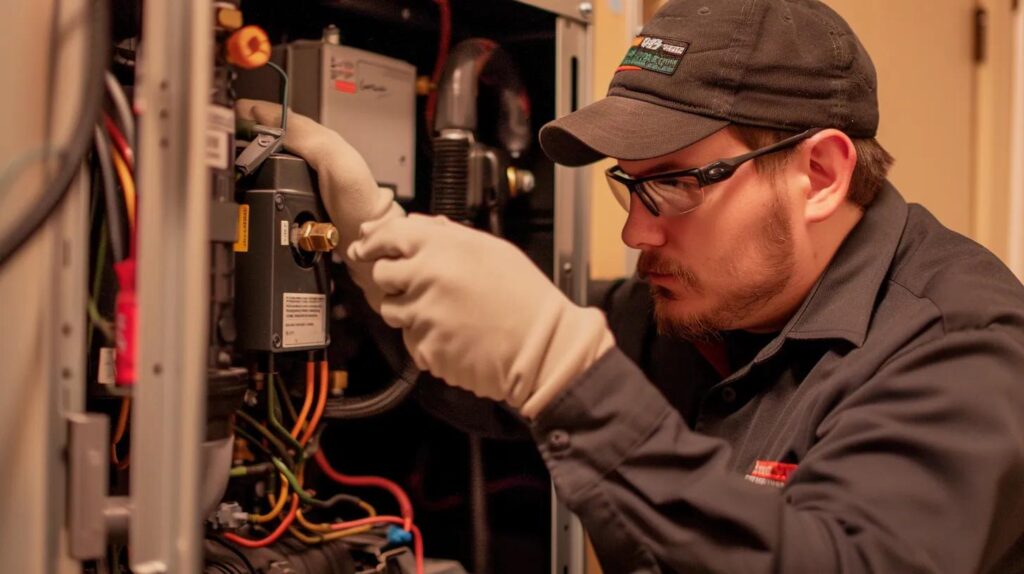
A professional furnace tune-up restores efficient combustion, airflow, and control settings so your system runs less and heats better—lower runtimes mean lower bills. Technicians inspect burners, the combustion chamber, heat exchanger, blower assembly, filters, and safety controls so the furnace operates closer to its rated AFUE with fewer wasted cycles. An annual service improves heat transfer, reduces fuel waste, and catches worn parts before they cause a failure or inefficiency. Knowing what a technician does helps you prioritize services that give the best return. Below are the common tune-up steps and how each one saves energy.
What are the key steps in a winter furnace tune-up?
A typical winter tune-up starts with a safety and performance check, then moves through cleaning, calibration, and adjustments to restore reliable operation. Techs check and change filters, clean burners and the heat exchanger, confirm proper fuel pressure and combustion, and clean the blower to ensure good airflow. They’ll calibrate thermostats and controls, inspect venting and flues, and test safety switches. Routine lubrication, belt checks, and tightening electrical connections reduce mechanical drag and prevent intermittent operation. Together these tasks cut runtime and keep the system near design efficiency—meaning lower monthly energy use and steadier comfort.
Core tune-up items and why they matter.
| Tune-Up Item | Inspection / Action | Efficiency Benefit |
|---|---|---|
| Air Filter | Check and replace when dirty | Restores airflow and reduces blower energy draw |
| Burners & Heat Exchanger | Clean and confirm proper combustion | Improves heat transfer and fuel efficiency |
| Blower Motor & Fan | Clean, adjust, lubricate, inspect belts | Maintains airflow and lowers electrical use |
| Thermostat Calibration | Verify setpoints and response | Prevents overshooting and extra run cycles |
| Safety Controls & Venting | Test limits, flue integrity, and ignition | Ensures safe, efficient operation |
These tune-up steps map directly to better efficiency and lower operating costs—prioritize them for reliable winter savings.
Professional maintenance cuts energy use by improving combustion, reducing blower workload, and avoiding short cycles that waste fuel. Clean burners and a verified heat exchanger deliver more heat per unit of fuel, while clean filters and a well-tuned blower lower fan energy. Over a season these improvements add up, and routine checks catch small issues before they become major efficiency losses. The next section shows how these savings translate into lower bills and longer equipment life so you can quantify the benefits.
How does regular furnace maintenance reduce heating costs?
Routine maintenance brings your system back to proper operating conditions, which means fewer wasted hours and fewer emergency repairs. Clean combustion surfaces and correct airflow let the furnace reach set temperatures faster, cutting runtime and fuel use. Regular service also reduces breakdown risk and helps maintain the AFUE rating over time. Efficiency programs show that tune-ups and filter care can reduce seasonal fuel use by noticeable percentages when paired with sensible controls. Think of annual service as an investment that lowers both immediate bills and long-term ownership costs.
How does smart thermostat installation save energy during winter?
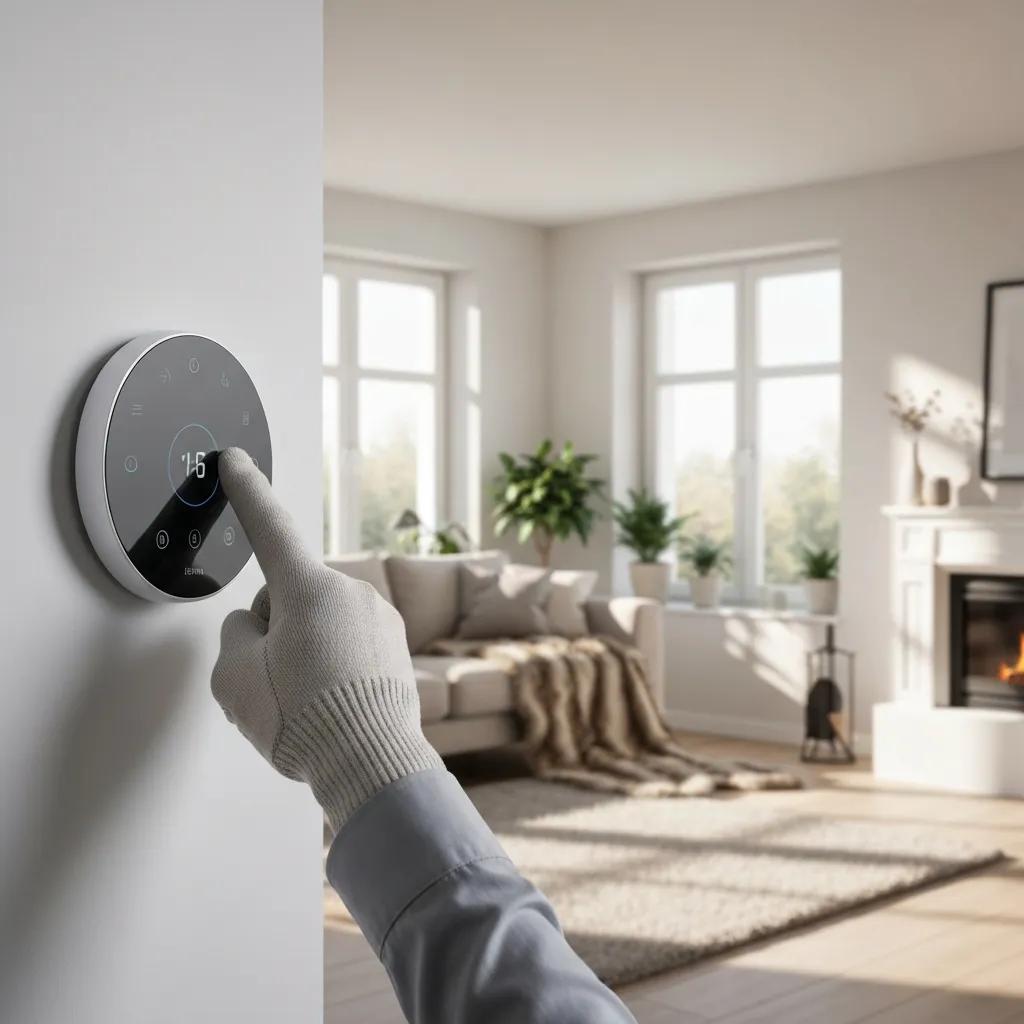
Smart thermostats save energy by giving you precise schedule control, automated setbacks, and adaptive features that match heating to when people are actually home. Using sensors, geofencing, and learning routines, these devices avoid heating empty rooms while keeping comfort when you return—resulting in measurable energy reductions. They also give remote access and usage reports to spot inefficient habits and fine-tune setpoints. Proper installation ties the thermostat into your existing controls and any zoning to get the most benefit for homes or small businesses. The sections below outline the benefits, setup tips, and thermostat types to help you pick the right control strategy.
What are the benefits of programmable and smart thermostats in winter?
Programmable and smart thermostats automate setback schedules, allow remote control, and provide data that reduces heating without sacrificing comfort. You can lower temperatures during sleep or away times and return to comfort before arrival—no wasted preheating. Smart models add learning, geofencing, and pattern detection to minimize manual adjustments. Many show runtime and temperature history so you can spot long recovery times or short-cycling. Together these features lower heating bills and give finer control than a manual dial—especially when paired with zoned systems or multi-stage equipment.
Thermostat types and how they affect winter energy use.
| Thermostat Type | Key Feature | Typical Energy Impact |
|---|---|---|
| Manual | Simple setpoint control | Limited control; minimal savings |
| Programmable | Scheduled setbacks | Moderate savings when programmed properly |
| Smart (learning) | Adaptive schedules and remote access | Higher savings through automation and insights |
| Smart (zoned) | Supports multiple sensors | Targets comfort and reduces wasted heating per area |
Smarter control strategies reduce unnecessary heating and let you manage comfort room-by-room for better overall savings.
How should you optimize thermostat settings for maximum winter savings?
Focus on sensible setbacks, gradual recovery, and using occupancy features so you don’t heat empty space. Aim to lower daytime or away setpoints by about 4–6°F and night setpoints by 6–8°F, and use gradual recovery to avoid big peak loads. Geofencing or remote access can turn heating on only when needed, and zone sensors make sure you heat occupied rooms only. For businesses, schedule off-hours setbacks and frost-protection settings to balance savings and equipment safety. Combined with routine furnace care, these adjustments deliver steady seasonal savings.
Quick thermostat optimization checklist:
- Set daily setbacks: Reduce the thermostat 4–6°F during away hours.
- Use gradual recovery: Start heating earlier to avoid spikes in demand.
- Enable geofencing: Let your phone trigger comfort schedules automatically.
- Zone control: Condition only occupied areas in larger homes or buildings.
These steps lower average heating hours and improve system responsiveness. Next, sealing drafts and upgrading insulation reduce the heat your system needs to replace.
What are the best ways to seal drafts and improve home insulation for winter efficiency?
Cutting drafts and adding insulation reduce heat loss by limiting air leaks and improving the building’s thermal resistance, which shortens HVAC run times and raises comfort. Typical loss points are windows, doors, ducts, attics, and recessed lights—fixing these gives a strong payback because they directly lower heating load. Combine focused air sealing (caulk, weatherstripping, duct sealing) with attic and wall insulation upgrades to control conductive and convective losses. Knowing which jobs are easy DIY versus when to hire a pro helps you prioritize work that delivers the best energy returns. The subsections below explain practical sealing techniques and attic/wall insulation considerations for Maryland winters.
How do draft sealing and weatherstripping prevent heat loss?
Sealing drafts and adding weatherstripping reduce uncontrolled air exchange with the outdoors, cutting convective heat loss and lowering the workload on your heating system. Use silicone caulk for small gaps, foam for irregular openings, and compressible weatherstripping on doors and windows for durable seals. Focus on window frames, door thresholds, and accessible attic penetrations to stop cold drafts and keep warm air inside. Simple tests—like watching a candle flame or using a smoke stick—reveal leaks before you seal them. Tackling the biggest leaks first gives the fastest energy wins and pairs well with thermostat setbacks for bigger seasonal savings.
Practical draft-sealing steps:
- Inspect and seal attic hatches, recessed lights, and duct boot connections.
- Weatherstrip exterior doors and repair worn window sash seals.
- Caulk exterior wall penetrations for pipes and wiring.
Sealing these areas lowers infiltration and helps your HVAC keep setpoints with less runtime. Up next: why attic and wall insulation completes the thermal strategy.
Why is proper attic and wall insulation crucial for winter energy savings?
Insulation adds R-value to your building envelope, slowing conductive heat loss and reducing the heating load. The attic is often the single biggest source of heat loss because warm air rises—so upgrading attic insulation often gives the best ROI. Recommended R-values vary by climate, but adding insulation until you reach diminishing returns improves comfort and eases strain on furnaces or heat pumps. Insulation also affects HVAC sizing: poorly insulated homes can lead to oversized systems that short-cycle. For major insulation work or changes to attic ventilation, get a professional assessment to meet code and avoid moisture problems.
How does regular air filter replacement impact winter HVAC performance?
Changing filters regularly preserves airflow, improves indoor air quality, and prevents excess blower runtimes that raise energy use—making filter care one of the highest-impact, lowest-cost winter measures. Clogged filters restrict flow, forcing the blower to work harder and reducing heat transfer across the heat exchanger, which increases runtime and energy use. Pick MERV-rated filters that balance particle capture with acceptable pressure drop—very restrictive filters on older systems can hurt performance. Check filters monthly during heavy-use seasons so the system breathes freely and components stay cleaner. The sections below cover replacement guidance and the signs of a dirty filter affecting performance.
When and how often should you replace your furnace air filter?
Replacement frequency depends on filter type, household factors like pets and allergies, and how much the system runs. A good rule: check monthly and replace every 1–3 months as needed. Simple fiberglass panels often need monthly attention; pleated filters can last up to three months in low-dust homes. Homes with pets or higher occupancy may need more frequent changes. A visual check and an airflow inspection at vents tell you when a filter is loaded. Professional tune-ups usually include filter checks and guidance on MERV levels that won’t cause excessive pressure drop. Regular filter care preserves blower efficiency and reduces risks like uneven heating or a stressed heat exchanger.
Recommended replacement intervals:
- High-use or pet homes: Check monthly; replace every 1–2 months.
- Average household: Inspect monthly; replace every 2–3 months.
- Low-use or high-efficiency filters: Inspect monthly; replace as needed up to 3 months.
Following these intervals keeps airflow healthy and prevents the extra energy use caused by restricted filters.
What are the signs of a dirty air filter affecting heating efficiency?
Dirty filters show up as reduced airflow at registers, uneven or cold zones, longer run times, and visible dust circulation—signs your system is working harder and less efficiently. You may notice higher energy bills, or that rooms take longer to reach set temperature. Technicians can measure static pressure to quantify filter-related restriction. Persistent odors or overheating cycles are urgent warning signs that need inspection. Catching these symptoms early prevents component wear and preserves seasonal efficiency.
Frequently Asked Questions
What are the most effective DIY methods for improving winter HVAC efficiency?
Start with regular filter changes, sealing drafts around windows and doors, and programming your thermostat for smart setbacks. Insulate or wrap exposed ducts where practical and clear vents of obstructions to keep airflow steady. Simple fixes like caulking gaps and installing weatherstripping often pay back quickly in comfort and lower bills.
How can I tell if my HVAC system needs professional maintenance?
Look for unusual noises, uneven heating, rising energy bills, or frequent on/off cycling. If you detect a burning smell, gas odor, or your carbon monoxide alarm sounds, call a technician immediately. If your system hasn’t been serviced in a while, schedule an inspection before winter to avoid problems during peak use.
What is the role of insulation in winter HVAC efficiency?
Insulation reduces heat transfer through the building shell so your heater runs less often. Proper attic, wall, and floor insulation keeps indoor temperatures steady and lowers heating demand. Higher R-values give better resistance to heat loss—upgrading insulation is one of the most effective ways to cut winter energy use.
Are there specific energy-saving tips for businesses during winter?
Yes. Businesses should program thermostats for off-hours setbacks, run regular HVAC maintenance, and seal drafts in commercial spaces. Smart thermostats automate schedules and prevent wasted heating. Upgrading insulation and switching to energy-efficient lighting also reduces overall energy use and operating costs.
What are the benefits of using a heat pump in winter compared to a furnace?
Heat pumps can be more energy-efficient because they move heat instead of generating it. Modern cold-climate heat pumps maintain good efficiency at lower temperatures and also provide cooling in summer—so one system covers both seasons. Whether a heat pump is the better choice depends on local electricity prices, incentives, and your home’s insulation.
Conclusion
Smart winter HVAC choices—annual professional maintenance, well-set thermostats, and targeted insulation and sealing—can lower heating costs and make your home or business more comfortable. These steps also protect equipment and extend service life. If you want help prioritizing upgrades or scheduling a tune-up, Corcoran Heating and Air Conditioning is ready to assist. Take the next step toward a more efficient winter by contacting us for a quote or service appointment.