

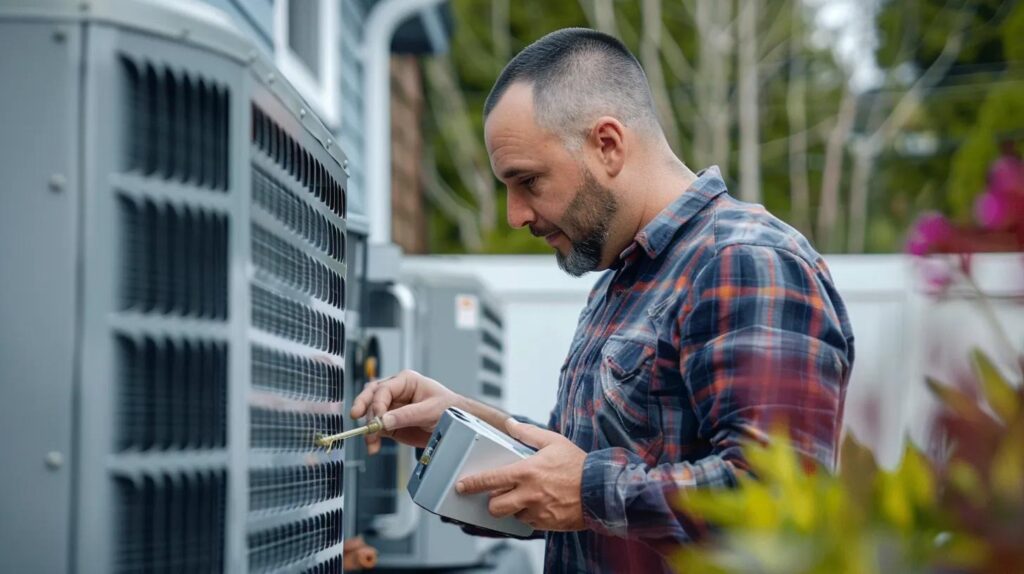
DIY vs. Professional HVAC Maintenance: When to Tackle It Yourself — and When to Call the Pros
Keeping your heating and cooling system working reliably keeps your home comfortable and helps avoid surprise bills. This guide lays out what you can safely do yourself, the warning signs that mean it’s time to hire a technician, the clear benefits of professional tune-ups, and common DIY mistakes to skip. Read on and you’ll know which simple tasks save money — and which jobs are best left to licensed pros.
What Essential HVAC Maintenance Tasks Can Homeowners Safely Perform?
There are a few straightforward tasks most homeowners can handle that make a big difference in performance and efficiency. Regular attention to these items helps your system run cleaner, longer, and with less energy waste. Below are the simple, effective chores you can do on your own:
- Changing air filters: Swapping out dirty filters keeps airflow steady and improves indoor air quality. A clogged filter forces the system to work harder and can raise energy use.
- Cleaning the outdoor unit: Removing leaves, grass clippings and debris from around the condenser helps airflow and reduces strain on the system.
- Checking thermostat settings: Making sure your thermostat is programmed correctly and operating as expected helps maintain comfort and can lower utility costs.
How to Change Air Filters for Improved Air Quality and Efficiency
Changing a filter is quick and it shows results immediately. Check filters monthly and replace them at least every 90 days — more often if you have pets, allergies, or lots of dust. Follow these safe, simple steps:
- Turn off the HVAC system: Shut the system off before you start to avoid dust and moving parts.
- Locate the filter: The filter is usually in the return grille, the air handler, or the furnace cabinet.
- Remove the old filter: Pull the filter out carefully and note which way the airflow arrow points.
- Insert the new filter: Slide the new filter in the same orientation and make sure it fits snugly.
- Turn the system back on: Restart the system and check that airflow feels normal.
What Are the Steps to Clean the Outdoor HVAC Unit Properly?
Keeping the outdoor unit clear of debris helps it run efficiently and reduces the chance of breakdowns. Use caution and follow these steps:
- Turn off power: Flip the dedicated breaker or switch to cut power before you work on the unit.
- Remove debris: Clear leaves, twigs, and accumulated dirt from around the unit; aim for at least two feet of clearance.
- Clean the fins: Gently brush the fins with a soft brush or cloth — avoid bending them, which restricts airflow.
- Rinse with water: If needed, use a garden hose on a low setting to rinse away grime; don’t use a pressure washer.
- Check for damage: Look for bent fins, loose panels, or obvious wear and report any issues to a technician.
When Should You Call a Professional HVAC Technician?
Some problems aren’t safe or practical for DIY. Calling a certified technician early can prevent bigger repairs and protect your family’s safety. Here are situations that warrant a professional visit:
- Unusual noises: Grinding, banging, or persistent rattles usually point to mechanical problems that need a trained eye.
- Inconsistent temperatures: Big temperature differences from room to room can mean duct issues, airflow problems, or failing components.
- Frequent cycling: Systems that short-cycle (turn on and off repeatedly) may be inefficient or at risk of premature failure.
What Are the Warning Signs Indicating Professional HVAC Service Is Needed?
Watch for these red flags — catching them early often saves time and money:
- Rising energy bills: A sudden or sustained jump in bills can mean the system is working harder than it should.
- Poor air quality: More dust, higher humidity, or worsening allergies can signal filtration or ventilation problems.
- Foul odors: Musty or burning smells may indicate mold, electrical issues, or other hazards that need immediate attention.
Why Is Refrigerant Handling and Electrical Repair Best Left to Certified Technicians?
Working with refrigerant and electrical components carries safety, legal, and environmental risks. Refrigerants are regulated and must be handled by certified technicians to meet EPA rules; mishandling can harm people and the environment. Electrical work can create shock or fire hazards if done incorrectly. Certified technicians have the training, tools, and permits to fix these problems safely and correctly.
DIY vs. Professional HVAC Maintenance: When to DIY or Call the Pros
Professional maintenance is an investment that pays off in reliability and lower operating costs. A trusted technician will catch small issues before they become emergencies and keep your system running at peak efficiency.
- Improved safety: Technicians check for gas leaks, carbon monoxide risks, and electrical hazards so your home stays safe.
- Longer equipment life: Routine service reduces wear and can add years to the life of your system.
- Better energy efficiency: Clean, adjusted systems use less energy, which lowers utility bills and shrinkss your carbon footprint.
How Does Professional Maintenance Enhance Safety and Extend System Lifespan?
During a tune-up, a technician inspects electrical connections, tests safety switches, cleans coils, lubricates motors, and verifies system pressures. Those detailed checks stop small problems from growing and help the equipment run cooler and last longer.
In What Ways Does Expert Service Improve Energy Efficiency and Protect Warranties?
A trained technician can identify sources of energy loss — dirty coils, worn parts, or incorrect refrigerant charge — and fix them. Many manufacturers also require documented professional maintenance to keep warranties valid, so regular service protects your investment.
How Do Corcoran's HVAC Maintenance Plans Provide Value and Convenience?
Corcoran Heating & Air offers maintenance plans that make routine care simple and predictable. Plans help prevent unexpected breakdowns and give you priority support when you need it most.
- Overview of plan tiers: We offer tiered plans to match different systems and budgets — from basic seasonal checks to full-service agreements with added perks.
- Benefits of maintenance agreements: Members get scheduled tune-ups, priority service, and discounts on repairs, which reduces unplanned expenses.
- Cost savings potential: Regular maintenance keeps efficiency high and breakdowns rare, which lowers long-term operating costs and replacement risk.
What Services Are Included in Corcoran's Maintenance Plan Tiers?
Our plans typically bundle the services homeowners value most:
- Regular inspections: Thorough seasonal checkups of system components to catch issues early.
- Filter changes: Scheduled filter replacements to preserve air quality and system performance.
- Priority service: Faster response times for members when repairs or emergency service are needed.
How Can a Maintenance Agreement Save You Money and Prevent Repairs?
Keeping your system tuned and inspected reduces the chance of major failures. That means fewer emergency calls and lower energy bills. Over time, those savings often exceed the cost of the agreement — and you get peace of mind knowing your system is cared for.
What Common DIY HVAC Maintenance Mistakes Should Be Avoided?
DIY can save money when done correctly — but some routine errors create bigger problems. Avoid these common missteps:
- Skipping regular filter changes: Letting filters clog increases wear and reduces airflow.
- Ignoring warning signs: Strange noises or performance changes usually get worse if left alone.
- Attempting complex repairs: Don’t try refrigerant, electrical, or sealed-system repairs without certification — they can be dangerous and costly.
Why Is Neglecting Regular Filter Changes Harmful to Your HVAC System?
Dirty filters reduce airflow and force the system to run longer to reach set temperatures. That extra strain raises energy use and accelerates component wear, which shortens system life and increases repair bills.
What Are the Risks of Attempting Complex Repairs Without Professional Help?
Complex repairs can lead to improper fixes, safety hazards, and voided warranties. Mistakes with electrical wiring, refrigerant, or gas components can cause injury, expensive damage, or regulatory trouble. When in doubt, call a licensed technician.
How Does HVAC Maintenance Cost Compare Between DIY and Professional Services?
DIY projects often cost less up front, but they don’t always include the knowledge or tools to prevent future problems. Professional service costs more initially but can deliver better efficiency, fewer breakdowns, and longer equipment life — which saves money over time.
- Typical DIY HVAC maintenance costs and material expenses: DIY costs usually cover filters, basic cleaning supplies, and any household tools you need — low in price but limited in scope.
- How do professional service costs translate into long-term savings?: Professional tune-ups and inspections cost more up front but reduce emergency repairs and improve efficiency, which lowers bills and replacement costs in the long run.
What Are Typical DIY HVAC Maintenance Costs and Material Expenses?
Costs vary by the work you do. Typical items include:
- Air filters: Usually $10–$30 each, depending on size and type.
- Cleaning supplies: Around $10–$30 for basic cleaners and brushes.
- Tools: If you need new tools, expect $20–$100 depending on what you buy.
How Do Professional Service Costs Translate Into Long-Term Savings?
A professional tune-up typically runs in the $100–$200 range. That cost often pays for itself through lower energy bills, fewer repairs, and a longer-lasting system — especially when routine service prevents a major failure.
Frequently Asked Questions
What are the signs that my HVAC system needs immediate attention?
Immediate attention is needed for loud banging, grinding, or hissing noises; large temperature swings between rooms; rapid on/off cycling; sudden spikes in energy bills; persistent poor air quality; or strange, unpleasant odors coming from vents. Any of these merit a prompt inspection from a professional.
How often should I schedule professional HVAC maintenance?
We recommend at least one professional inspection per year, and ideally two — once before cooling season and once before heating season. More frequent checks may be wise for older systems or homes in extreme climates.
Can I perform HVAC maintenance tasks during winter or summer?
Yes — tasks like changing filters and clearing debris from the outdoor unit can be done year-round. However, equipment diagnostics, refrigerant checks, and major repairs are best scheduled with a technician, especially in very hot or cold weather.
What should I do if I notice a refrigerant leak?
If you suspect a refrigerant leak, turn off the system and call a certified technician right away. Refrigerants are regulated and can pose health and environmental risks; only trained professionals should handle leaks and recharge systems.
How can I improve my HVAC system's energy efficiency?
Simple steps include changing filters regularly, keeping the outdoor unit clear, sealing and insulating ductwork, upgrading to a programmable thermostat, and scheduling regular professional maintenance to keep components operating efficiently.
What are the benefits of enrolling in an HVAC maintenance plan?
Maintenance plans offer scheduled tune-ups, priority service, and repair discounts. They help prevent unexpected failures, maintain efficiency, and protect warranties — all of which save money and give you peace of mind.
Conclusion
Balancing DIY care with professional service keeps your system reliable and cost-effective. Handle routine jobs like filter changes and outdoor-unit cleanup yourself, but call a licensed technician for strange noises, refrigerant or electrical work, and any persistent performance problems. If you want help staying on a regular schedule, explore our maintenance plans to keep your system running smoothly year-round.