

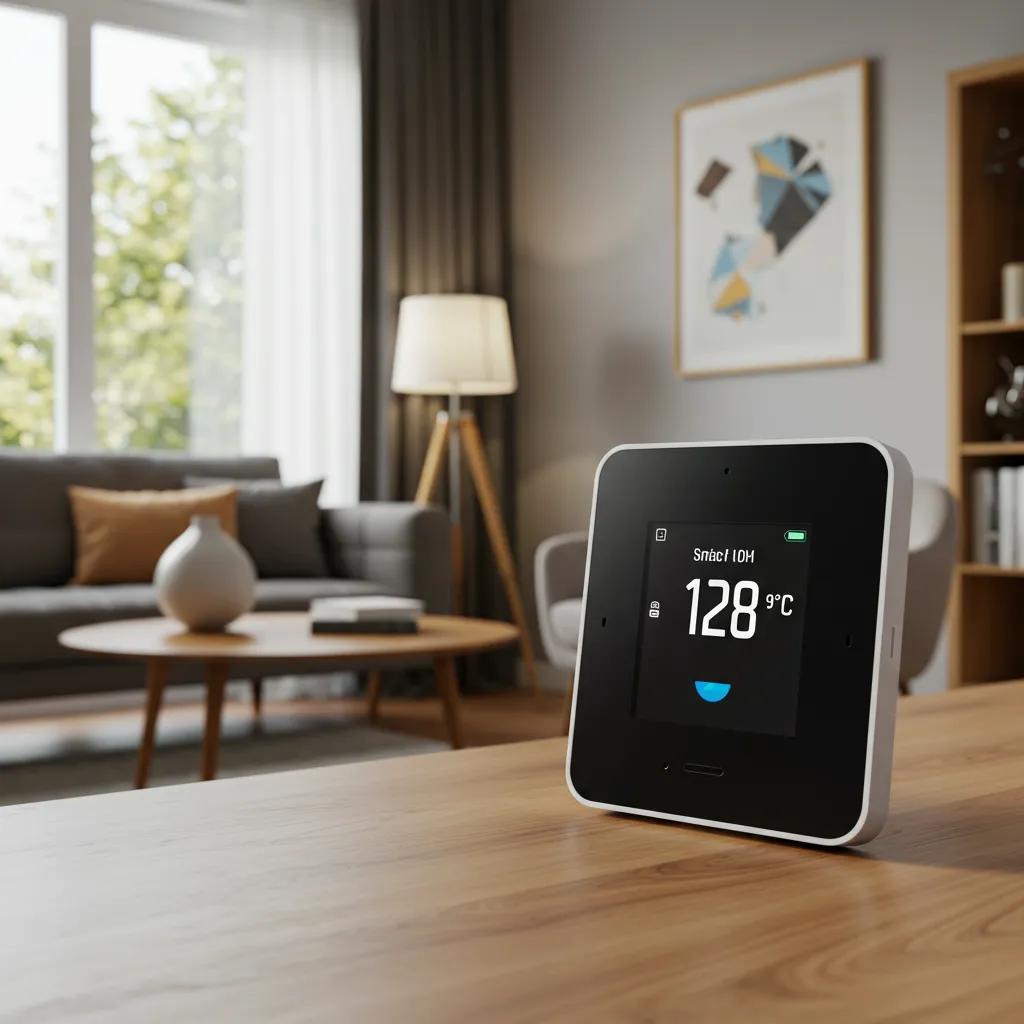
How to Choose the Right Smart Thermostat for Your Home or Business
Smart thermostats transform temperature control by combining intuitive automation with energy-saving intelligence. For homeowners and business owners seeking both comfort and efficiency, selecting the right device can reduce utility bills by up to 8 percent and deliver remote climate management from any smartphone. This guide maps out why upgrading matters, the critical selection criteria, top residential and commercial models, installation and maintenance best practices, and how Corcoran Heating and Air Conditioning’s expert services ensure seamless integration. Follow this structured overview to balance savings, convenience, compatibility, and trusted professional support.
Why Should You Upgrade to a Smart Thermostat?
Modern smart thermostats replace manual controls with adaptive learning and Wi-Fi connectivity, enabling proactive temperature adjustments for peak energy efficiency and occupant comfort. They leverage algorithms that analyze usage patterns and local weather data to minimize waste while maintaining target temperatures. Installation by a professional ensures your HVAC system operates at peak performance.
Smart thermostats serve as the control hub for a home or business climate, bridging convenience with cost reduction. Understanding the benefits of energy savings, personalized comfort, and home-automation integration sets the stage for informed comparison among leading brands and features. Smart thermostats can significantly enhance efficiency.
What Energy Savings Can You Expect from a Smart Thermostat?

Smart thermostats provide consistent energy reduction by adjusting setpoints throughout the day based on occupancy and learned routines.
- Heating Efficiency – Adaptive algorithms reduce heating runtime by 8 percent, potentially saving around $50 per year. (energystar.gov)
- Cooling Optimization – Cooling cycles can decrease by up to 10 percent through smart scheduling and dynamic setbacks. (energystar.gov)
- Detailed Reports – Usage analytics identify high-consumption periods and suggest targeted setbacks.
These savings emerge from automated temperature setbacks, geofencing triggers, and tailored seasonal adjustments. Monitoring analytics fosters continuous optimization that compounds year after year.
Smart Thermostat Data for Energy Consumption Prediction and Savings Estimation
The application of smart WiFi thermostats aims to enhance the prediction of monthly energy consumption and, consequently, energy savings. Data analytics techniques are widely employed to analyze data collected from smart thermostats. This data facilitates the prediction of building energy consumption and the estimation of energy savings attributable to smart thermostat utilization.
Using smart-wifi thermostat data to improve prediction of residential energy consumption and estimation of savings, A Alanezi, 2021
How Does a Smart Thermostat Enhance Comfort and Convenience?
A smart thermostat elevates comfort by learning daily routines and automatically maintaining preferred temperatures without manual intervention. Real-time remote control via smartphone or tablet lets users adjust settings from anywhere, preventing discomfort on return to home or office. Scheduling features create seamless temperature transitions, such as pre-warming before morning occupancy or pre-cooling for afternoon returns. Occupancy and room sensors address hot and cold spots, ensuring balanced climate throughout any space. Together, these capabilities empower both homeowners and facility managers to focus on daily priorities rather than thermostat tweaks.
How Do Smart Thermostats Integrate with Smart Home Systems?
Smart thermostats integrate with major voice assistants and automation platforms to become the core of a connected ecosystem.
- Voice Control – Commands such as “set temperature to 72 degrees” via Amazon Alexa, Google Assistant, or Apple Siri deliver hands-free adjustments.
- Automation Routines – Integration with lighting, security systems, and occupancy sensors creates energy-saving “away” modes across multiple devices.
- Third-Party APIs – Open APIs allow advanced users to link thermostats with energy-monitoring dashboards or building-management systems.
Seamless interoperability transforms a standalone thermostat into a dynamic hub, coordinating HVAC, lighting, and security for unified efficiency and convenience.
Smart Thermostats in Home Automation for Energy Conservation and Remote Management
Home automation is characterized by the integration of electrical and mechanical devices and systems into a unified network capable of remote control. Smart thermostats represent a critical element within home automation architectures, enabling users to remotely manage their dwelling’s thermal environment. This capability facilitates energy and cost savings by preventing unnecessary operation of the thermostat. Furthermore, smart thermostats support the creation of personalized heating and cooling schedules, thereby enhancing the optimization of energy consumption.
Smart thermostats for home automation systems and energy savings from smart thermostats, O Ayan, 2018
What Key Factors Should You Consider When Choosing a Smart Thermostat?
Selecting the ideal smart thermostat requires assessing compatibility with your existing HVAC system, evaluating must-have intelligent features, weighing installation complexity, forecasting financial returns, and vetting brand reliability. A structured approach ensures the chosen model aligns with infrastructure, user expectations, and long-term savings goals.
Understanding HVAC compatibility and wiring requirements prevents installation delays, while a feature checklist distinguishes essential automation from optional luxuries. Balancing initial purchase price with rebate incentives and projected energy savings clarifies true return on investment. Finally, research into brand reputation and customer feedback helps avoid performance pitfalls and ensures robust support.
How Do You Determine HVAC System Compatibility?
Smart thermostats differ in compatibility across smart thermostats, heat pumps, boilers, and multi-stage units.
- Furnace and Air Conditioner – Most Wi-Fi thermostats support single-stage equipment with a common C-wire for continuous power.
- Heat Pump Systems – Models certified for heat pump control handle auxiliary and emergency heat seamlessly.
- Boilers and Hydronics – Compatibility with low-voltage relay controls and zone valves is essential.
Professional assessment by a trained HVAC technician from Corcoran Heating and Air Conditioning verifies wiring and voltage requirements, especially where a C-wire upgrade or isolation relay is needed. Verifying compatibility up front eliminates installation setbacks and ensures full functionality.
Which Essential Smart Features Matter Most?
A concise checklist highlights the features that drive the most value:
- Learning Algorithms – Automatic schedule creation based on user patterns reduces manual programming.
- Geofencing – Location-based triggers adjust setpoints when occupants arrive or depart.
- Remote Sensors – Supplemental room and humidity sensors balance climate across multiple zones.
- Voice Assistant Integration – Hands-free control through Amazon Alexa, Google Assistant, or Apple HomeKit.
- Energy Reports – Visual dashboards that track consumption trends and suggest savings.
Prioritizing these attributes ensures the device delivers both convenience and measurable efficiency improvements.
What Are the Installation Options: DIY vs. Professional?
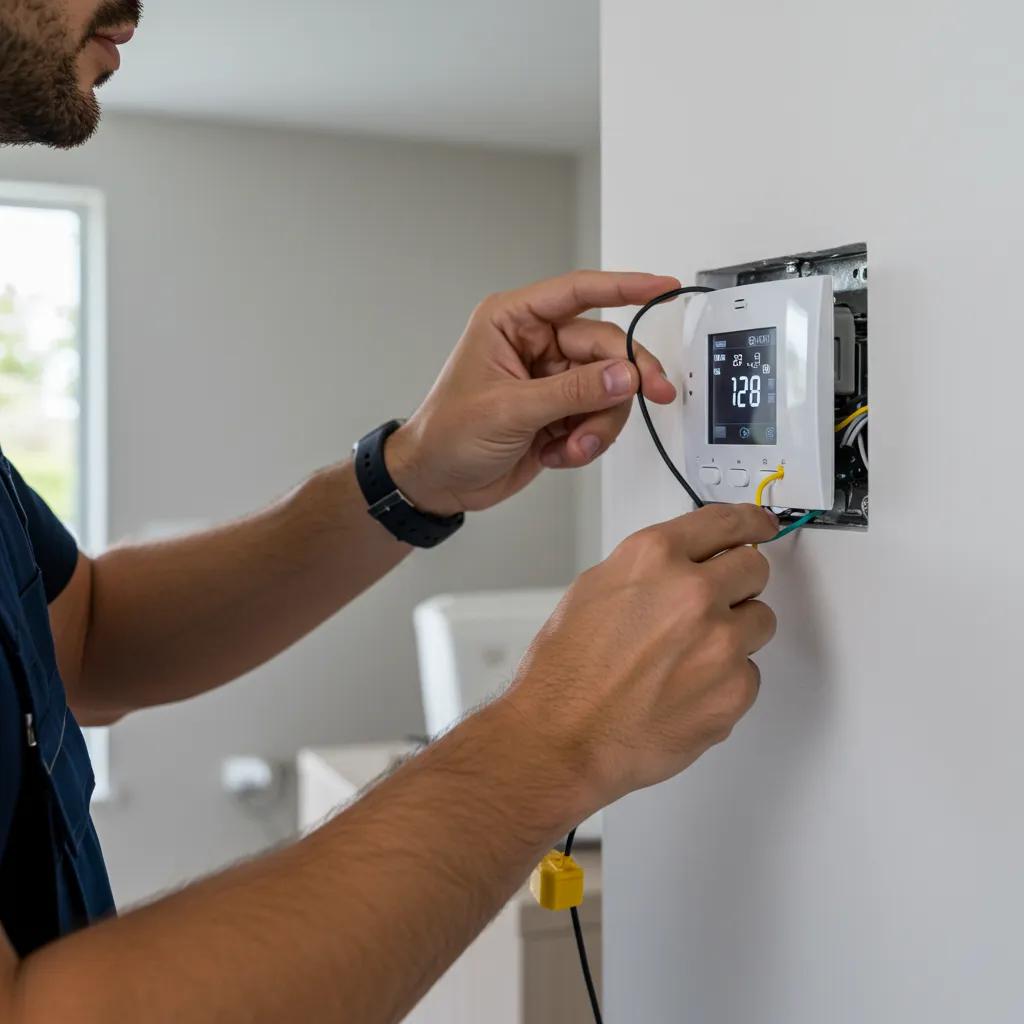
Installation complexity varies by HVAC configuration and user expertise.
- DIY installation may suit simple single-stage systems with existing C-wire connections, supported by step-by-step manufacturer guides and wiring diagrams.
- Professional installation by Corcoran Heating and Air Conditioning is recommended for multi-stage systems, heat pumps, hydronic setups, or when adding a C-wire adapter.
Expect prompt and reliable service from certified technicians who uphold values of honesty, integrity, and customer satisfaction while ensuring optimal system performance and warranty compliance.
How Do Cost, Rebates, and Long-Term Savings Affect Your Choice?
Initial investment in a smart thermostat can range from $80 to $280, depending on model and features. Rebates from local utilities often cover $50–$100, reducing upfront cost.
- ROI Calculation – Compare net cost after rebates against projected annual savings of $50–$100. (energystar.gov)
- Incentives – Energy Star certified devices may qualify for additional rebate programs.
- Payback Period – Most homeowners recoup installation costs within 12–18 months through reduced heating and cooling bills. (energystar.gov)
Factoring these financial elements clarifies true value, turning a smart thermostat into a strategic energy-management tool rather than just a gadget.
Cost-Effectiveness of Smart Thermostat Systems in Residential Buildings
Smart thermostat systems offer cost-effectiveness for both homeowners and energy providers. We demonstrate that these systems represent a low-cost and efficacious tool for reducing energy consumption in residential buildings. The mitigation potential of smart thermostat systems is substantial and can be leveraged by both homeowners and energy providers.
Conditions for a cost-effective application of smart thermostat systems in residential buildings, 2020
How Important Is Brand Reputation and Customer Reviews?
Top residential brands earn trust through reliability, software stability, and quality customer support. A comparative table illustrates key differences:
| Brand | Learning Capability | HVAC Compatibility | Notable Benefit |
|---|---|---|---|
| Google Nest Learning | Advanced AI-driven schedules | Single and multi-stage | Intuitive learning adaptation |
| Ecobee Smart Thermostat | Integrated room sensors | Heat pumps, hydronics | Comprehensive zone control |
| Honeywell Home T Series | manual and programmable | Broad system coverage | Robust wired and wireless options |
| Amazon Smart Thermostat | Basic scheduling | Single-stage systems | Budget-friendly and Alexa-native |
| Sensi Touch by Copeland | User-driven presets | Easy retrofit with C-wire | Simple interface, strong reliability |
Evaluating reliability reports and user feedback uncovers hidden insights into mobile-app performance, firmware updates, and long-term durability. Positive customer experiences signal strong manufacturer support and smoother troubleshooting.
Which Smart Thermostats Are Best for Homeowners?
Homeowners prioritize energy savings, ease of use, and seamless integration with existing HVAC infrastructure. Models that combine adaptive learning, geofencing, and zone sensing typically rank highest for residential applications.
Selecting a top model involves balancing advanced automation against user interface simplicity. High-performance devices deliver detailed analytics and room-by-room comfort, while budget options may focus on core scheduling and remote control. Matching features to lifestyle needs ensures maximum satisfaction and cost savings.
What Are the Top Smart Thermostat Brands for Residential Use?
Leading brands dominate residential installations through proven performance and ongoing software support:
- Google Nest Learning Thermostat – Learns schedules, integrates with Google Assistant, and offers sleek design.
- Ecobee Smart Thermostat Premium – Includes remote room sensors, Alexa built-in, and advanced energy reports.
- Honeywell Home T9 – Offers flexible zoning with wireless sensors and broad compatibility.
- Amazon Smart Thermostat – Delivers core smart functionality at an accessible price point.
- Sensi Touch – Simplifies retrofit installations with intuitive touchscreen controls.
How Do Smart Thermostats Compare in Features and Compatibility?
Comparing features side by side clarifies trade-offs and guides selection:
| Feature | Google Nest | Ecobee Premium | Honeywell T9 | Amazon Smart | Sensi Touch |
|---|---|---|---|---|---|
| Learning Schedules | Yes | Partial | No | No | No |
| Remote Room Sensors | Optional | Included | Included | No | No |
| Voice Integration | Google Assistant | Alexa/Google | Alexa/Google | Alexa | Alexa/Google |
| Energy Reporting | Yes | Advanced | Basic | Basic | Basic |
| C-Wire Requirement | Yes | Yes | Optional | Yes | Yes |
This structured comparison ensures homeowners can align thermostat capabilities with existing system wiring and desired automation depth.
How Do Smart Thermostats Serve Specific Needs Like Businesses and Vacation Homes?
Smart thermostats adapt to niche environments by offering multi-zone management, remote monitoring, and freeze-protection safeguards. Commercial facilities benefit from scalable installations, centralized dashboards, and granular energy-management reporting.
Aligning device capabilities with operational priorities—such as centralized control across multiple locations or automated shutdown during vacancy—ensures both cost control and property protection.
What Should Business Owners Look for in Commercial Smart Thermostats?
Business owners require thermostats that support multi-unit scalability, centralized dashboards, and granular energy-management reporting.
- Multi-Zone Control – Independent schedules for separate offices or retail spaces.
- Centralized Management – Cloud-based dashboards to monitor multiple sites in real time.
- Energy Demand Alerts – Notifications when consumption exceeds set thresholds.
- User Access Levels – Role-based permissions for facility managers and maintenance staff.
- Integrations with BMS – Compatibility with building-management systems for enterprise-level automation.
These capabilities deliver both operational convenience and tighter control over utility expenditures.
How Can Vacation Homeowners Benefit from Smart Thermostats?
- Freeze Protection – Automatic minimal heating prevents pipe damage during cold spells.
- Remote Alerts – Push notifications warn of temperature or humidity extremes.
- Vacation Modes – Energy-saving schedules deactivate HVAC when unoccupied.
- Geofencing – Pre-cool or pre-heat triggers based on homeowner location.
- Humidity Control – Indoor air quality management guards against mold in damp climates.
These features protect property assets while ensuring comfortable conditions upon return.
How Do You Install and Maintain a Smart Thermostat for Optimal Performance?
Proper installation and ongoing maintenance are essential to maximize the benefits of a smart thermostat. Following a structured process and routine checks maintains compatibility, connectivity, and accurate environmental sensing throughout the device’s lifecycle.
Technicians from Corcoran Heating and Air Conditioning ensure correct wiring, sensor calibration, and firmware updates, preventing premature failures and optimizing energy-saving performance. Regular maintenance visits reinforce system health and user satisfaction.
What Is the Step-by-Step Smart Thermostat Installation Process?
Professional installation typically follows these stages:
- System Assessment – Verify HVAC type, wiring configuration, and C-wire presence.
- Power Disconnection – Shut off HVAC power to ensure safe wiring access.
- Mounting and Wiring – Remove existing thermostat, label wires, and connect to new smart thermostat terminals.
- Configuration – Power up device, link to Wi-Fi network, and set up initial preferences.
- Learning Cycle – Allow the thermostat to record usage patterns and adjust scheduling.
How Do You Check Smart Thermostat Compatibility with Your HVAC System?
Checking compatibility involves examining control circuits and verifying voltage requirements.
- C-Wire Verification – Confirm presence of a common wire to supply continuous 24-volt power.
- Voltage Testing – Use a multimeter to ensure stable circuit power.
- System Type Identification – Match thermostat configuration to single-stage, multi-stage, heat pump, or hydronic equipment.
- Professional Diagnostics – Certified HVAC experts from Corcoran Heating and Air Conditioning assess advanced control needs, such as zone valves or damper relays.
Where Should You Place Your Smart Thermostat for Best Results?
Optimal placement balances accurate sensing with practical accessibility:
- Interior Wall Location – Away from direct sunlight, drafts, and heat sources such as ovens or vents.
- Central Space – In a commonly used area to reflect average occupancy conditions.
- Height Considerations – Mounted approximately 52–60 inches above the floor for balanced temperature readings.
Correct placement ensures reliable sensor data, preventing short cycling and false triggers while preparing the thermostat to manage the entire space effectively.
What Are Common Smart Thermostat Problems and How Can You Troubleshoot Them?
Connectivity and power issues represent the most frequent challenges:
- Wi-Fi Drops – Resolve by moving router closer or configuring network settings.
- Power Interruptions – Verify C-wire integrity and install a power-stealing adapter if needed.
- Sensor Misreadings – Recalibrate or relocate remote sensors to more representative positions.
- Firmware Glitches – Apply manufacturer updates to eliminate known software bugs.
If basic troubleshooting does not restore full functionality, contacting a professional ensures accurate diagnostics and swift resolution.
When Should You Call a Professional for Smart Thermostat Issues?
Complex system interactions, wiring modifications, or persistent connectivity failures warrant expert intervention. Corcoran Heating and Air Conditioning’s trained technicians excel at diagnosing multi-stage equipment conflicts, upgrading control transformers, and integrating thermostats into larger building-automation systems. Prompt professional support prevents extended downtime, protects equipment warranties, and delivers lasting energy-management benefits.
Why Choose Corcoran Heating and Air Conditioning for Your Smart Thermostat Needs?
Corcoran Heating and Air Conditioning combines two decades of Central Valley HVAC expertise with a commitment to honesty, integrity, and customer satisfaction. As a locally founded company by Jeremy Loo in 2006, we uphold values that keep every installation prompt, reliable, and precision-driven. Our certified technicians rank in the top one percent of the industry, delivering clean, courteous service and ensuring your smart thermostat functions flawlessly within your system.
What Makes Corcoran the Trusted Smart Thermostat Installer in Central Valley?
Corcoran’s reputation rests on a foundation of technical excellence and unwavering customer focus. Our team diagnoses compatibility down to the C-wire, programs advanced schedules, and verifies seamless integration with home-automation platforms.
FAST same-day service, professional-grade wiring, and transparent communication ensure every smart thermostat upgrade elevates comfort, efficiency, and peace of mind for homeowners and business proprietors alike.